
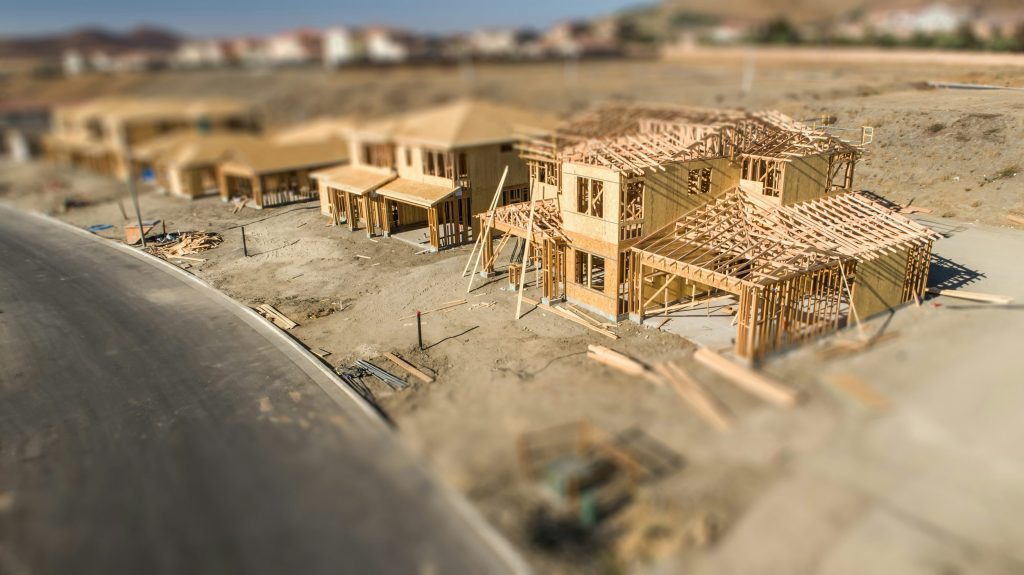
Introduction: Navigating the Insurance Maze in Property Construction
Building a new property is a monumental task that involves meticulous planning, substantial investment, and a keen eye on various timelines. Among the critical aspects to consider is the insurance timeline, which ensures that your investment is protected from unforeseen circumstances. Understanding the insurance needs at different stages of construction can save you from potential financial pitfalls and offer peace of mind. This article delves into the essential insurance timeline for new property construction, guiding you through the process with clarity and precision.
Understanding the Importance of Construction Insurance
Construction projects are inherently risky, involving numerous parties, heavy machinery, and unpredictable elements. Insurance acts as a safety net, protecting against liabilities, damages, and losses that could arise during the construction phase. It is crucial to have a comprehensive understanding of the types of insurance available and when they should be implemented.
Types of Insurance for Construction Projects
- Builder’s Risk Insurance: This covers damages to the building under construction from events like fire, wind, theft, and vandalism.
- General Liability Insurance: Protects against third-party claims of bodily injury or property damage.
- Professional Liability Insurance: Also known as Errors and Omissions Insurance, it covers claims related to professional negligence.
- Workers’ Compensation Insurance: Required in most states, it covers medical expenses and lost wages for injured workers.
- Contractor’s Equipment Insurance: Covers tools and equipment used on the construction site.
The Insurance Timeline for New Property Construction
Understanding when to secure each type of insurance is crucial for seamless project execution. Here is a breakdown of the insurance timeline:
Pre-Construction Phase
Before breaking ground, ensure that you have the following insurances in place:
- General Liability Insurance: This should be in place before any work begins to cover potential liabilities. Learn more about essential liability coverage insights.
- Professional Liability Insurance: If you are hiring architects or engineers, this insurance protects against design errors or omissions. Discover why business owners overlook professional liability insurance.
During Construction Phase
As construction commences, additional insurance types become necessary:
- Builder’s Risk Insurance: Activate this policy once construction starts to protect the structure and materials. Explore construction insurance essentials.
- Workers’ Compensation Insurance: Ensure this is in place to cover any potential worker injuries on site.
- Contractor’s Equipment Insurance: Protects the tools and equipment used during construction.
Post-Construction Phase
Once construction is complete, some insurance policies need to transition or be added:
- Homeowner’s Insurance: Once the property is ready for occupancy, transition to a homeowner’s policy to cover the building and personal property.
- Warranty Insurance: Often overlooked, this covers defects in workmanship or materials after construction.
Common Mistakes to Avoid in Construction Insurance
Understanding common pitfalls can save time, money, and headaches. Here are some mistakes to avoid:
- Underinsuring the Project: Ensure that coverage limits are adequate to cover potential losses.
- Overlooking Policy Exclusions: Be aware of what is not covered to avoid surprises.
- Delaying Insurance Purchase: Timely acquisition of insurance is crucial; delays can lead to uncovered losses.
- Not Reviewing Policies Annually: Construction projects can change; ensure insurance policies reflect current realities.
How to Choose the Right Insurance Provider
Choosing the right insurance provider is as important as selecting the right policies. Consider the following when making your choice:
- Reputation and Experience: Look for providers with a solid reputation and experience in construction insurance.
- Coverage Options: Ensure the provider offers comprehensive coverage options that suit your needs.
- Customer Service: Responsive and helpful customer service can make a significant difference.
- Financial Stability: Check the financial ratings of the provider to ensure they can meet their obligations.
Conclusion: Securing Your Investment
Building a new property is a complex endeavor that requires careful planning and strategic decision-making. By understanding the essential insurance timeline and securing the necessary coverages at each phase, you can protect your investment and ensure a smooth construction process. Don’t leave your project to chance; consult with insurance professionals to tailor a plan that meets your specific needs. This proactive approach not only safeguards your financial interests but also provides peace of mind as you embark on your property construction journey.