Introduction
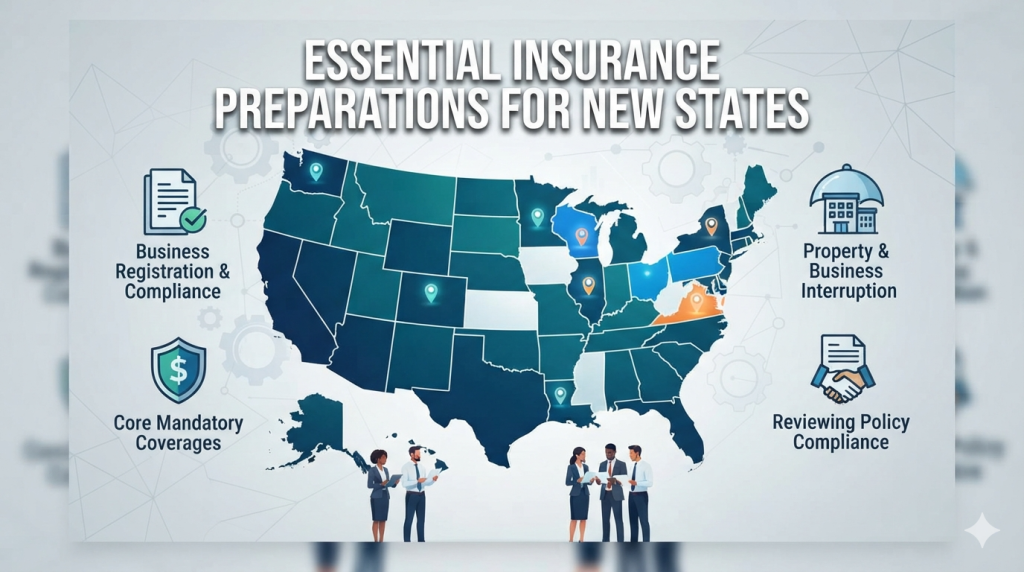
Expanding your business into a new state is an exciting venture filled with opportunities and challenges. As you navigate through the logistics of setting up operations, hiring new staff, and marketing your products or services in a new region, one critical aspect that should not be overlooked is insurance. Proper insurance planning is essential to protect your business from potential risks and liabilities that are unique to each state. This guide will walk you through the necessary steps to prepare your insurance when expanding into a new state, ensuring your business is safeguarded and compliant with local regulations.
Understanding State-Specific Insurance Requirements
One of the first steps in preparing your insurance for expansion is understanding the specific insurance requirements of the state you are entering. Each state has its own regulations regarding the types of insurance businesses must carry, such as workers’ compensation, liability insurance, and commercial auto insurance. For more insights on commercial lines insurance, you can refer to our detailed guide.
Workers’ Compensation Insurance
Workers’ compensation insurance is mandatory in most states for businesses with employees. However, the rules about who needs to be covered, the benefits provided, and the premiums can vary significantly. For example, some states may have different thresholds for the number of employees before coverage is required, while others may have specific rules for certain industries.
Liability Insurance
Liability insurance is another critical component. General liability insurance protects your business from claims of bodily injury, property damage, and personal injury. Some states might have additional requirements or higher minimum coverage amounts. It’s crucial to consult with an insurance expert who understands the local laws to ensure your coverage meets state standards.
Commercial Auto Insurance
If your business uses vehicles for operations, commercial auto insurance is necessary. Like other types of insurance, the requirements for commercial auto insurance can differ from state to state. You will need to confirm that your policy covers the specific requirements of the new state, including minimum liability limits. Learn more about auto insurance insights for business use.
Evaluating Your Current Insurance Coverage
Before you expand, evaluate your current insurance policies. This involves reviewing your existing coverage to determine if it will suffice for your operations in the new state or if you need to adjust your policies.
Assessing Coverage Gaps
Identify any gaps in your coverage that could expose your business to risks. For instance, if your current liability insurance only covers operations in your home state, you will need to extend this coverage to include the new state.
Adjusting Policy Limits
Consider whether the policy limits of your existing insurance are adequate for the new state. Higher costs of living or different legal environments might necessitate increased coverage limits to protect against potential claims.
Working with an Experienced Insurance Agent
Partnering with an insurance agent who has experience with businesses expanding into new states can be invaluable. An experienced agent can provide insights into state-specific requirements and help tailor your insurance policies to meet these needs.
Choosing the Right Agent
Look for agents with a track record of assisting businesses with interstate expansions. They should have a deep understanding of the insurance landscape in the states you are expanding into and be able to offer personalized advice.
Customizing Your Insurance Plan
With the help of your agent, customize your insurance plan to address the unique risks associated with your business and the new state. This might include adding endorsements or riders to your existing policies to cover specific scenarios.
Budgeting for Insurance Costs
Expanding into a new state will likely affect your insurance costs. It’s important to budget for these changes to avoid any financial surprises. Consider strategies like bundling business insurance to lower premiums.
Estimating Premium Increases
Insurance premiums may increase due to factors such as higher risk exposure or the need for additional coverage. Work with your insurance provider to get estimates on how much your premiums might rise and plan your budget accordingly.
Exploring Cost-Saving Strategies
There are strategies you can employ to manage insurance costs, such as bundling different types of insurance or increasing deductibles. Discuss these options with your insurance agent to find the best solution for your business.
Ensuring Compliance with Local Laws
Compliance with local laws is crucial when expanding your business. Failing to meet state-specific insurance requirements can result in fines, legal issues, and reputational damage.
Regularly Reviewing Legal Requirements
Insurance laws can change, so it’s important to regularly review the legal requirements in the new state. This will help ensure that your business remains compliant over time.
Implementing Compliance Checks
Establish a system for ongoing compliance checks. This could involve regular audits of your insurance policies and procedures to ensure they align with current laws.
Conclusion
Expanding your business into a new state is a significant step that requires careful planning and consideration, especially when it comes to insurance. By understanding state-specific requirements, evaluating your current coverage, working with experienced agents, budgeting for insurance costs, and ensuring compliance with local laws, you can protect your business from unforeseen risks and liabilities. Take the time to review your insurance needs thoroughly and make informed decisions that will support your business’s growth and success in new markets.
For more personalized advice, consider reaching out to a professional insurance consultant who can guide you through the complexities of interstate business expansion. Ensuring your insurance is tailored to meet the demands of your new operational landscape is a smart investment in your business’s future.